

Single Cell vs. Double Cell: Best Cellular Shades for Beaumont & Murrieta Houses

February 4, 2026

Cellular shades are widely used in Southern California homes because they provide insulation, glare control, and privacy. This guide explains how cellular shades in Beaumont and similar hot-climate areas perform in single-cell and double-cell designs, how they differ, and which practical factors influence selection for Murrieta and nearby communities.


Cellular Shade Structure and Functional Design

Cellular shades use a honeycomb-shaped fabric structure that traps air and reduces heat transfer through windows.

  • Built from pleated fabric bonded into pockets (cells)
  • Cells create air layers that slow heat gain and heat loss
  • Available in single-cell, double-cell, and triple-cell variants
  • Offered in light-filtering and blackout materials
  • Typically mounted inside or outside the window frame
  • Can be manual, cordless, or motorized
  • Fit standard, large, and specialty window shapes

The insulating effect depends more on cell structure and fit quality than fabric thickness alone, which is why cell count is a primary comparison factor.


Single Cell Shade Construction and Performance

Single-cell shades use one layer of honeycomb pockets and are designed for moderate insulation and lighter-weight operation.

  • One air pocket layer across the shade depth
  • Common cell sizes: 3/8", 1/2", and 3/4"
  • Lower material weight than multi-cell options
  • Easier lift operation on large windows
  • Typically, a lower purchase cost
  • Suitable for mild to warm climates with average insulation needs
  • Available in most colors and opacity ranges

Single-cell designs are often selected when budget, simplicity, and lighter window coverage matter more than maximum thermal performance.


Double Cell Shade Construction and Performance

Double cell shades use two stacked layers of air pockets to increase thermal resistance and sound absorption.

  • Two honeycomb layers are bonded together
  • Creates an additional insulating air barrier
  • Better resistance to outdoor heat and indoor heat loss
  • Slightly thicker profile at the headrail
  • Heavier than single-cell shades of equal size
  • Often paired with cordless or motorized systems for smoother lifting
  • Usually priced higher than single-cell versions

Double cell construction is commonly chosen for rooms with strong sun exposure, large glass areas, or noticeable temperature swings.


Light Control and Room Darkening Capabilities

Both single and double cell shades are available in multiple opacity levels, with fabric choice affecting light more than cell count.

  • Opacity options include:
  • Sheer or light-filtering
  • Semi-opaque
  • Room-darkening
  • Blackout with foil or layered backing
  • Double cell blackout fabrics often block slightly more light bleed
  • Side-channel systems improve blackout performance
  • Larger cells can allow more glow at seams
  • Color affects perceived brightness indoors
  • Mounting style influences edge light gaps

For bedrooms and media rooms, fabric opacity and installation method usually matter more than whether the shade is single or double cell.


Size, Fit, and Window Type Compatibility

Window dimensions and frame depth affect which cellular shade structure is more practical.

  • Single-cell shades fit better in shallow window frames
  • Double cell shades require more mounting depth
  • Large or tall windows benefit from lighter single-cell weight
  • Double cell shades on wide spans may require:
  • Reinforced headrails
  • Motorization
  • Split-shade configurations
  • Specialty shapes (arches, angles) are more commonly available in a single cell
  • Inside-mount precision is more critical for double cell thickness

Accurate measurement and frame clearance checks prevent operational issues and a bulky appearance.


Cost, Durability, and Maintenance Factors

Double cell shades usually cost more upfront but may provide longer-term comfort benefits in high-exposure rooms.

  • Single cell shades:
  • Lower base price
  • Lower hardware load stress
  • Simpler repairs
  • Double cell shades:
  • Higher material and hardware cost
  • Better long-term insulation value
  • Slightly more fabric to clean
  • Both types require:
  • Light dusting or vacuuming with a brush attachment
  • Occasional spot cleaning
  • Pleat crushing risk increases with rough handling
  • Motorized systems increase total project cost and maintenance complexity

Budget planning should include hardware type, lift system, and window size, not just shade fabric type.


Climate Considerations for Inland Southern California Homes

Hot-summer, high-sun regions such as cellular shades in Murrieta installations often prioritize heat control and glare reduction.

  • Inland valleys experience:
  • Strong afternoon solar gain
  • High summer temperatures
  • Cooler winter nights
  • Double cell shades perform better on:
  • West-facing living areas
  • Large patio doors
  • Rooms with extended sun exposure
  • Single-cell shades remain practical for:
  • Shaded elevations
  • Smaller windows
  • Budget-limited upgrades
  • Light-filtering fabrics help reduce glare while maintaining daylight
  • Blackout fabrics support sleep comfort in bright morning exposures

Matching shade structure to sun orientation often produces better results than using one type throughout the entire house.


Conclusion

Single and double-cell cellular shades differ primarily in insulation capacity, thickness, weight, and cost. The better option depends on window size, sun exposure, frame depth, and comfort priorities. Homeowners comparing options often review these factors before selecting products from providers such as C&C Shutters and Window Coverings.


Frequently Asked Questions


What is the main difference between single-cell and double-cell shades?

Single-cell shades have one air pocket layer, while double-cell shades have two, which increases insulation and thickness.


Do double-cell shades save more energy than single-cell shades?

They usually provide better thermal performance, especially on large or sun-exposed windows, but total savings depend on overall window quality.


Are double-cell shades harder to operate?

They can be heavier, so large units often work better with cordless tension systems or motorization.


Do single-cell shades look different from double-cell shades?

From a distance, they appear similar, but double cell shades look slightly fuller at the pleats and headrail.


Which type is better for large windows?

Single-cell shades are lighter and often easier for very wide windows unless motorization is used with double cell.


Are both types available in blackout fabrics?

Yes. Light-filtering and blackout fabrics are available in both single and double cell constructions.
By Von a February 17, 2026
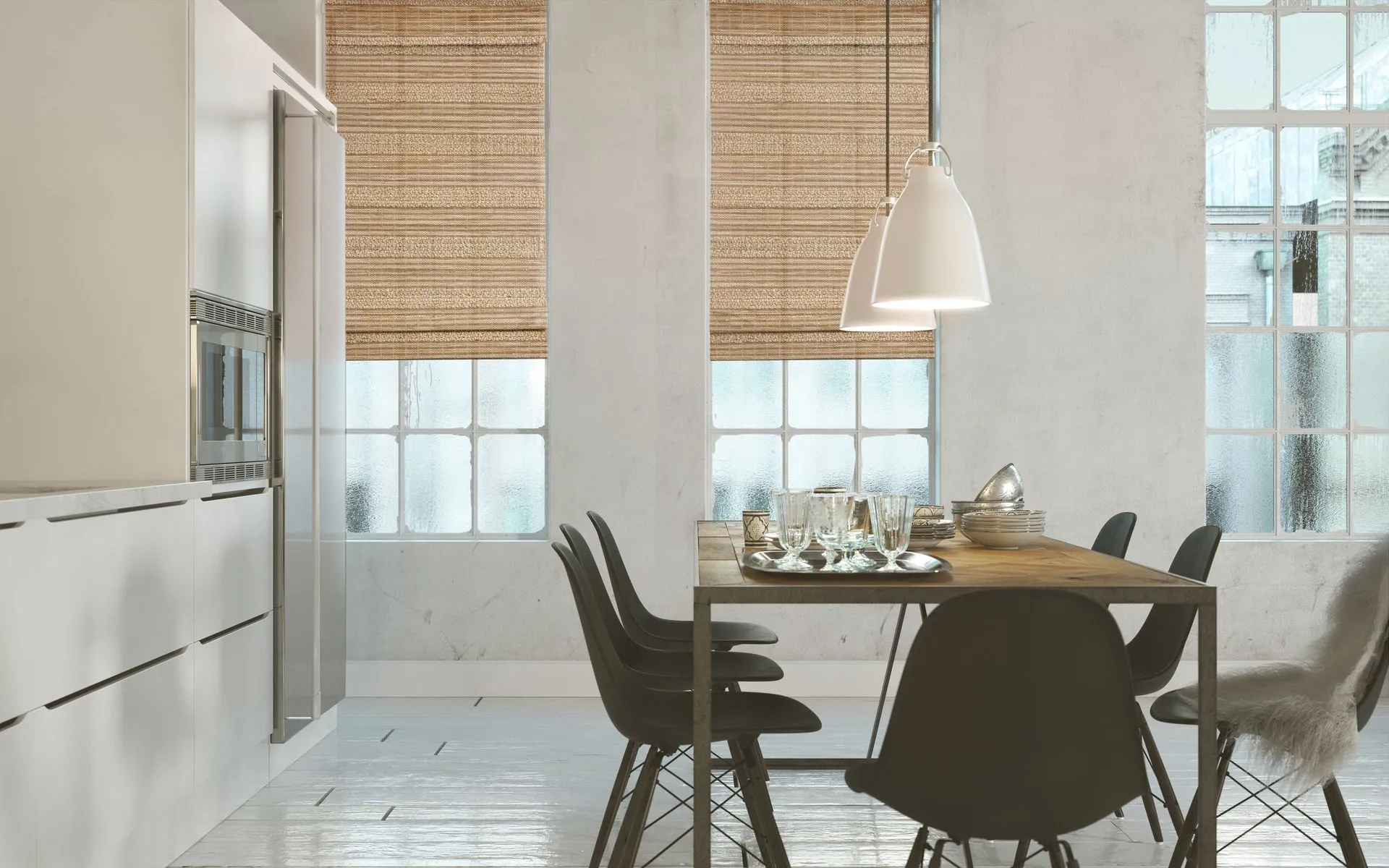
Winchester and Wildomar share a Southern California climate with hot, dry summers and mild winters. Humid days are few; rain is light, and snow is virtually nonexistent. In summer, daily highs often reach the mid-to-upper 90s°F, while winter nights can fall to the 40s°F. These areas get roughly 260–270 sunny days annually, so UV exposure and glare are significant. Heat and Sun: Intense summer sun drives cooling needs; shade-blocking treatments are essential. Western and southern windows get the strongest afternoon sun. Cooling vs. Heating: High cooling demand in summer; in winter, openings facing the sun can be used to capture warmth. Low winter heat means coverings need only modest insulation. Low Humidity: Dry air reduces mold risk, but allows dust and wildfire smoke inside, so coverings should be easy to clean. Glare and UV: Long daylight hours and clear skies mean glare control and UV protection are priorities to prevent glare and fading. In this climate, effective coverings must focus on blocking solar gain and UV while still allowing natural light when desired. Good treatments will handle high heat and sun without trapping moisture or degrading under arid conditions. Insulation and Energy Efficiency Well-sealed, insulating treatments can cut both summer heat gain and winter heat loss. Cellular Shades: Honeycomb shades have built-in air pockets. Tightly installed cellular shades can reduce winter heat loss by ~40% and cut summer solar gain by up to ~60%. Dual-layer (double cell) or side-track models are most effective. Plantation Shutters: Shutters seal flush to the frame, blocking drafts. They offer higher R-values (around 3–6) than ordinary blinds. When closed, shutters can keep summer heat out and retain winter warmth. Their adjustable louvers also let you fine-tune insulation and light. Heavy Drapes/Curtains: Thick or lined draperies add insulation. For example, a medium-weight drape with a white plastic backing can reduce solar heat gain by about 33%. Multiple layers or thermal liners improve performance. However, even thick curtains provide far less R-value than cellular shades or shutters. Blinds and Shades: Standard blinds (horizontal or vertical slats) and roller/roman shades generally insulate little on their own. They primarily control light and privacy. (Reflective slats can bounce sunlight back, and fully lowered light-colored blinds can modestly cut heat.) Mounting Details: Treatments should be mounted close to windows. Side tracks, wraparound systems, or ceiling mounts that eliminate side gaps boost efficiency. Even small gaps allow heat transfer. Usage Tips: Open coverings on sunlit windows in winter to gain warmth; close them during summer afternoons to block heat. Strategic use (rather than keeping shades static) maximizes savings. Plantation shutters combine a traditional look with practical insulation. They fit snugly to the frame, minimizing air leaks and blocking most outside heat or cold. Shutters typically have higher R-values than regular blinds, so they keep interiors more stable. Sunlight and Glare Control Coverings should stop strong sunlight and UV before it enters the home. Solar Screens/External Shades: Exterior roller screens or sunshades block solar energy outdoors, reducing heat gain, glare, and UV exposure. These screens look like dense insect screens but can cut much of the sun’s heat. Their fabric openness is key: tighter weaves block more heat and UV but also reduce the view. Reflective Treatments: Light-colored or mirrored blinds and shades reflect sunlight. When fully closed on a bright window, reflective blinds can deflect a large portion of solar heat. Many exterior screens or sunshades use white or silver-backed fabrics for maximum reflectivity. Window Films: Adhesive films (tinted or low-emissivity) on the glass itself help block UV and infrared light. They are most effective in cooling-dominated climates (like Winchester/Wildomar) by filtering heat while letting visible light through. Caution: Dark films can overheat windows or damage seals, and may void warranty if applied incorrectly. Always choose quality films with proper thermal ratings. Awnings and Overhangs: Fixed or retractable awnings shade the upper portions of windows. Properly sized awnings block high summer sun but allow low winter sun. Retractable awnings can be rolled up in winter for extra light. Awnings add durable outdoor shading, though they also block all light when deployed. Orientation Matters: South and west windows need the most protection from late-afternoon sun. East windows get morning sun. North windows get relatively little direct light (and so less heat gain). Choose heavier or reflective coverings on south/west exposures. In summary, a combination of solutions often works best. For example, an exterior solar screen plus a light interior shade can cut heat dramatically. If using films or dark fabrics, balance the cooling benefits in summer with the loss of passive solar heating in winter. Materials and Durability Choose materials that withstand the region’s sun, heat, and dust without fading or warping. Wood vs. Faux-Wood: Natural wood blinds or shutters have a high-end look, but real wood can crack or discolor under extreme heat and UV. Faux-wood (PVC or vinyl composite) mimics the look with much greater durability. Metal/Aluminum Blinds: Aluminum blinds are very durable and moisture-resistant. They reflect light well but can feel hot to the touch. They may dent or scratch if mishandled; use higher-quality slats (e.g., 2-inch aluminum over cheaper mini-blinds). Fabrics and Natural Fibers: Many shades use fabric or natural fibers. Woven bamboo or grass shades create an organic style and filter sunlight softly. They offer privacy but minimal insulation or blackout. A sheer or light-colored fabric (e.g., linen, cotton blends) looks airy but passes more light, while tightly woven or blackout fabrics stop light more completely. Outdoor-Grade Materials: For exterior components (screen, awning, roller shades), UV-stable fabrics like Sunbrella or Phifer are recommended. These commercial-grade materials resist fading, tearing, and mold. Avoid cheap plastics or untreated wood outdoors – they can degrade in a single season. Cleaning and Maintenance: Hard treatments (wood/composite shutters, faux-wood blinds, aluminum blinds) are easy to maintain. Wipe or vacuum them periodically. Delicate fabrics should be vacuumed with a brush attachment or gently laundered per the manufacturer's instructions. The dry, dusty air here means more frequent dusting may be needed than in humid climates. Natural woven shades (bamboo or grass) add warm style while diffusing light. They let some daylight through the weave, creating a soft glow, but only modestly block heat. Over time, untreated natural fibers may become brittle or fade under strong sunlight. Privacy, Style, and Functionality Treatments must meet privacy needs and aesthetic preferences as well as climate demands. Adjustable Shutters: Plantation shutters provide 100% privacy when closed. Their louvers can be tilted to control light and sightlines. They work with any décor from traditional to modern. Zebra/Transitional Shades: These have alternating solid and sheer horizontal bands. Sliding the bands changes from filtered light (sheer aligned) to dark (opaque aligned). They offer a modern look with flexible light/privacy control. Roller and Roman Shades: Available in many fabrics and patterns. A shade with a blackout backing will darken a room almost completely (good for bedrooms). Light or semi-opaque fabrics brighten rooms. Roman shades fold in stacks when raised, adding a soft decorative element. Draperies and Curtains: Floor-length drapes can add elegance. Layered curtains (e.g., a sheer plus a blackout panel) allow switching between daylighting and darkness. Be aware that heavy drapes can also insulate somewhat, but they must seal well atthe sides to be effective. Cord Safety: For families, cordless or motorized options and shutters are much safer than corded blinds. Cords should be kept short or tethered out of children’s reach. Shutters and certain blind designs eliminate loose cords. Room Function: Match the style to the room. Bedrooms usually need blackout or darkening styles; living/dining rooms often favor light-filtering. Kitchens/baths may prefer easy-to-clean blinds (e.g., faux-wood or aluminum). Consider how and how often each covering will be used. In all cases, choose durable hardware (metal or solid wood headrails) to match the material’s longevity. Good installation (level mounts, plumb edges) makes coverings operate smoothly. Common Mistakes and Best Practices Planning and precision avoid regrets. Ignoring Window Orientation: Don’t use the same treatment on all windows. For example, west-facing windows usually need darker, reflective treatments to handle strong afternoon sun; north-facing windows may get by with lighter options. Poor Measurement/Gaps: Even a tiny uncovered gap undermines performance. Always account for mounting hardware and add overlap. Test-fit with cardboard or tape before ordering. Wrong Color Choice: Dark fabrics can absorb and radiate heat into the room. In this climate, lighter colors or reflective surfaces on south/west windows help bounce heat away. However, very light (sheer) materials may not provide enough shading at peak sun. Neglecting Liner or Backup: If privacy or insulation is needed, choose shades or drapes with liners or backing. A sheer-only blind might look nice, but it won’t block much heat or view. Set-and-Forget: Many people leave coverings closed year-round, which forfeits free solar heat in winter. Best practice is to open south/west windows during sunny winter days and close them again before sunset. In summer, keep blinds/shades down during daytime. The DOE notes that strategic use of coverings (open in winter, closed in summer) maximizes savings. Safety Oversights: Don’t overlook child/pet safety. Cords should be secured, or choose cordless/motorized options from the start. Overlooking Maintenance: Some homeowners forget that fabrics fade and mechanisms can jam. Choose materials that are easy to clean and replace if needed, and plan to dust or vacuum them regularly. Avoiding these pitfalls leads to treatments that work as intended. Careful upfront choices (proper type, color, mount, and care) ensure the investment pays off in comfort and energy savings. Conclusion Effective window coverings in Winchester and Wildomar balance sun shading, insulation, and style to suit the local climate. By considering factors like material durability, light control needs, and precise fit, homeowners can select treatments that improve comfort year-round. Local specialists such as C&C Shutters and Window Coverings understand these regional requirements and can recommend solutions tailored to each home. Frequently Asked Questions What types of window treatments work best in hot, sunny climates? Exterior solar screens and awnings block most heat before it enters the home. Inside, cellular shades and plantation shutters reduce heat gain, while light-colored reflective blinds help limit sunlight. Fabric-only treatments provide limited cooling. Can shutters save money on energy bills? Yes. Plantation shutters seal tightly to the window frame, reducing air leaks and heat transfer. Their insulating structure helps keep homes cooler in summer and warmer in winter, which can lower energy use over time. Are custom window treatments worth the cost? Custom treatments fit windows precisely, preventing gaps that allow light and heat through. They are especially useful for large or irregular windows, where standard sizes often fail to provide full coverage.
By Von a February 17, 2026
Homeowners comparing woven shades in French Valley and Roman shade options often want clear, practical information before choosing a window treatment. This guide explains how these shades work, where they perform well, their limitations, cost factors, and maintenance needs, so buyers can evaluate suitability based on climate, room use, and budget. Functional Differences Between Woven Shades and Roman Shades Woven shades and Roman shades differ primarily in construction, fold behavior, and light control. Woven shades Made from natural or blended materials like bamboo, reeds, grasses, or jute Built as layered weaves that roll or stack when raised Typically, provide filtered, textured light rather than full blackout Surface texture is visible and irregular by design Often paired with optional liners for privacy or room darkening Roman shades Made from fabric panels that fold into horizontal pleats Available in flat, soft-fold, or hobbled styles Provide more predictable light control depending on fabric choice Offer a wider pattern and color selection Can be tailored to match upholstery or décor fabrics The choice is less about which is better overall and more about which structure and material behavior fits the room’s lighting and design needs. Climate and Sun Exposure Considerations in Inland Valley Areas Window covering performance is affected by heat, dryness, and strong sunlight common in inland Southern California communities. High sun exposure increases: Fabric fading risk Material drying and brittleness UV damage to natural fibers Dry conditions can affect: Natural woven materials that may become more brittle over time Adhesives and stitching if low quality Heat gain through windows impacts: Room comfort Cooling costs Glare levels on screens and floors Material behavior under the sun: Natural woven materials may show color variation and gradual aging Synthetic-blend woven shades resist UV better but lose some organic texture Roman shade fabrics with UV liners maintain color longer Light-colored fabrics reflect more heat than dark tones Homes with west- or south-facing windows typically require liners or dual-layer solutions regardless of shade style. Light Control and Privacy Performance by Shade Type Light filtering and privacy vary significantly depending on construction and liner options. Woven shades Naturally light-filtering due to gaps in the weave Daytime privacy is moderate, not absolute Night privacy is limited without a liner Available liner upgrades: Privacy liner Room-darkening liner Blackout liner Texture creates soft, diffused daylight Roman shades Light control depends on fabric thickness and backing Privacy ranges from sheer to blackout More predictable coverage without visible gaps Better suited for: Bedrooms Street-facing rooms Bathrooms (with moisture-rated fabric) In practical use, woven shades without liners are better for filtered light spaces, while roman shades in Wildomar offer more controlled privacy configurations. Interior Design Compatibility and Visual Impact Each shade style creates a different visual effect and suits different interior schemes. Woven shades Emphasize texture and organic appearance Work well with: Coastal interiors Farmhouse styles Neutral palettes Natural material themes Visual irregularities are normal Color range is typically limited to earth tones Roman shades Emphasize fabric pattern and color coordination Work well with: Traditional interiors Transitional designs Modern layered window treatments Can match: Drapery Cushions Upholstery Offer cleaner visual lines when lowered Design selection should consider wall color, flooring tone, and furniture materials rather than shade style alone. Installation and Fit Constraints That Affect Results Proper measurement and mounting choice affect appearance and performance. Inside mount constraints Requires sufficient window depth Shows window frame edges Demands more precise measurement Reduces light gap coverage Outside mount constraints Covers more wall area Improves light blocking Hides uneven window frames Requires extra width and height overlap Woven shade fit issues Slight weave irregularity may affect edge alignment Material thickness may project further from the wall Roman shade fit issues Fabric stack height increases with thicker textiles Fold size varies by style Can obstruct the trim if not sized correctly Improper mounting choice is one of the most common causes of dissatisfaction with shade performance. Maintenance and Cleaning Requirements Maintenance needs differ due to material and construction. Woven shades Dust collects in textured surfaces Typically cleaned by: Light vacuuming with brush attachment Dry dusting Spot cleaning is limited Moisture exposure can warp natural fibers Not ideal for high-humidity rooms unless treated Roman shades Fabric determines cleaning method Options include: Vacuuming Spot cleaning Professional cleaning for delicate fabrics Removable fabric models simplify maintenance Kitchen use requires stain-resistant fabrics Maintenance expectations should match the room function and air quality conditions. Cost Ranges and Value Factors Costs vary based on material quality, size, and operating system. Primary cost drivers Window size Custom vs standard sizing Material grade Liner type Motorization Fabric brand or weave source Typical relative pricing Basic woven shades: moderate Premium natural woven materials: moderate to high Standard Roman shades: moderate Designer Roman fabrics: high Motorization impact Adds noticeable cost Improves usability on tall windows Reduces wear from manual handling Lower initial cost does not always equal better long-term value if materials degrade faster under sun exposure. Conclusion Woven and Roman shades serve different functional and design purposes, and their value depends on light control needs, sun exposure, maintenance tolerance, and interior style. Material behavior and liner choices matter more than appearance alone. Homeowners comparing options locally often review these factors when evaluating solutions from providers such as C&C Shutters and Window Coverings. Frequently Asked Questions Are woven shades good for blocking heat? They reduce glare and some heat, but significant heat blocking requires a thermal or blackout liner. Do Roman shades provide full privacy at night? Yes, if made with privacy or blackout fabric; sheer fabrics do not provide full night privacy. Do woven shades fade in strong sunlight? Natural fibers can fade over time under strong UV exposure, especially without liners. Are Roman shades harder to clean than blinds? Fabric shades generally require more careful cleaning than hard-surface blinds. Can woven shades be used in bathrooms? Only if made from moisture-resistant synthetic materials; natural fibers are not recommended. Do Roman shades work with motorized systems? Yes, many Roman shade systems support motorization for large or tall windows.
horizontal blinds in Beaumont & Lake Elsinore
February 7, 2026
Explore 2026 home trends for horizontal blinds in Beaumont & Lake Elsinore. Learn about materials, energy efficiency, safety, and installation factors.
By James Rosasco January 23, 2026
Learn how to choose the right window covering service by comparing materials, installation quality, warranties, and contractor credentials.
By James Rosasco January 22, 2026
Learn what cellular shades are, their pros and cons, energy efficiency, maintenance needs, and which rooms they work best in.
Woman smiling, holding sheer curtains open near a window, natural light, light clothing.
By James Rosasco January 20, 2026
Compare custom and ready-made window treatments by cost, fit accuracy, design options, installation timelines, and long-term maintenance.
Woman by window with blinds, woman opening curtains. Morning light streams through.
By James Rosasco January 20, 2026
A factual comparison of horizontal and vertical blinds covering window size, light control, durability, cleaning, and long-term use.
roman shades
November 17, 2025
With Roman shades for large windows from C&C Shutters and Window Coverings, you can enjoy perfect light control, privacy, and elegance every day. Read more.
vertical blinds for sliding door
September 16, 2025
C&C Shutters and Window Coverings offers expert solutions, including custom horizontal blinds and vertical blinds for sliding door installations designed.
Roller Shades for Sliding Glass Doors
September 14, 2025
Too much sunlight, lack of privacy, or poor insulation can quickly make a bright room feel uncomfortable. This is where sliding glass door roller shades come in. Read more.