

Are Cellular Shades Worth It? Pros, Cons, and Ideal Rooms
Cellular shades – also called honeycomb shades – are fabric window coverings designed with a unique series of air-trapping pockets. Homeowners often wonder if their benefits justify the cost and care they require. In this article, we explain what cellular shades are, list their main advantages and drawbacks, and highlight which rooms they work best in. We cover factors like insulation, light control, privacy, and maintenance to help you judge if cellular shades are worth it for your home.
What Are Cellular Shades?
Cellular shades are window shades made of pleated fabric that forms honeycomb-shaped cells when viewed from the side. These cells trap air between the window and the room, adding an insulating layer that can help moderate indoor temperatures.
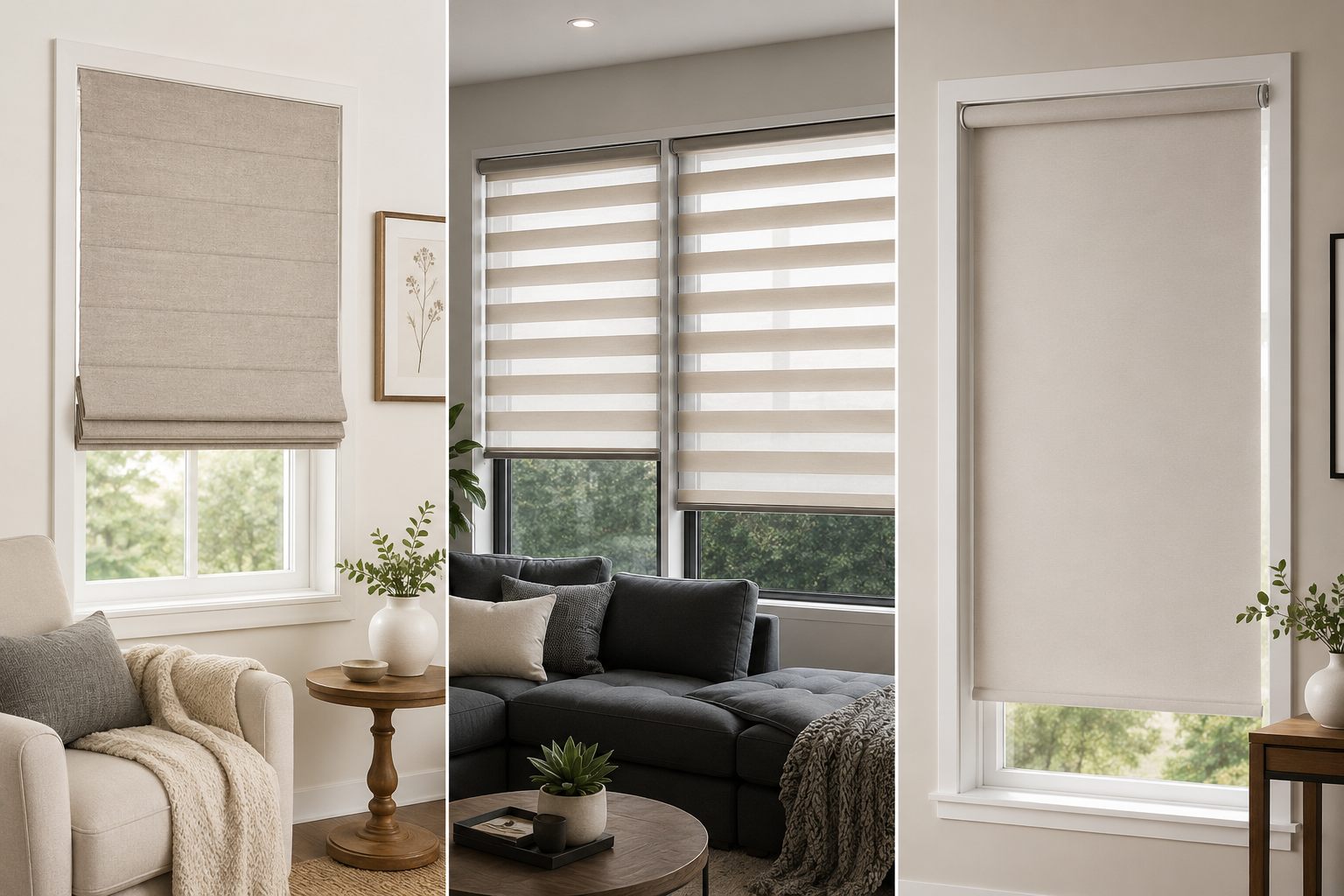
Cellular shades come in single-cell (one layer of pockets) or double-cell (two layers) versions, and are available in fabrics ranging from sheer (light-filtering) to blackout materials. In other words, they combine a clean, modern look with built-in insulation, offering more than just light blocking.
What Are the Benefits of Cellular Shades?
Cellular shades have several appealing advantages. A key benefit is energy efficiency: the trapped air in their cells reduces heat gain in summer and heat loss in winter. This added insulation can improve comfort and reduce heating or cooling costs, which is especially useful in hot climates like Beaumont or Murrieta.
They also offer excellent light control: you can choose light-filtering fabrics to let in a soft glow or blackout fabrics to darken a room. Many cellular shade designs include top-down/bottom-up lifting, allowing you to finely tune how much sunlight and privacy you want.
Cellular shades also enhance privacy without sacrificing style. Even light-filtering versions hide direct views into a room, and blackout versions can provide near-total darkness. Yet even with lighter fabrics, they obscure clear views: you may see only diffused light or faint outlines through the shade. They come in many colors and styles to match decor (from subtle neutrals to bold patterns), and the low-profile headrails and crisp pleats give a sleek, contemporary appearance.
Another advantage is noise reduction. The same air pockets that insulate also help absorb sound; cellular shades in Beaumont can buffer outside noise more effectively than flat shades or blinds. This makes them a good choice for windows facing busy streets or for rooms where quiet is important.
Lastly, cellular shades are highly versatile in fit: they can be custom-made to cover almost any window shape - large or small, square or arched, and even specialty shapes like skylights. Many are available cordless, making them safer for children and pets. Overall, these features make cellular shades a strong candidate when you want a shade that improves insulation, light control, privacy, and style.
What Are the Drawbacks of Cellular Shades?
Despite their benefits, cellular shades have some downsides to consider. One issue is cleaning and maintenance. The pleated fabric can trap dust and dirt within the pockets, so they require gentle, regular cleaning.
You usually need to vacuum them with a brush attachment or dust them carefully; you cannot machine-wash the fabric. Stains or spills must be spot-cleaned by hand. If you’re looking for a near-carefree option, keep in mind that cellular shades are more delicate than hard blinds and can be more effort to keep looking new.
Another drawback is humidity sensitivity. Because most cellular shades use fabric (often natural or paper-like material), they are not ideal for very humid or wet rooms. In kitchens, bathrooms, laundry rooms, or damp basements, moisture can weaken the cells or lead to mildew over time. For those rooms, vinyl, faux wood, or composite shades are typically a better choice.
Light and view control have limits as well. Unlike roller shades, cellular shades never stack completely flat when raised – the folded cells still protrude down from the top of the window. This means they can partially block the view when fully open.
Also, unless you pick the blackout variety, even “closed” cellular shades only filter light: you will not see through them, but silhouettes or light may show through the material. In other words, normal cellular shades diffuse light rather than blocking it entirely, so they won’t make a room pitch-dark unless specified as blackout shades.
Cost is another factor. Cellular shades tend to be more expensive than basic blinds or roller shades. Because of their multi-layer construction and custom options, the upfront price is higher, especially if you add features like motorized lifts. Over time, the energy savings and updated appearance can justify the cost, but the initial expense is higher than simple alternatives.
In summary, cellular shades require some care to keep clean, are not suited for wet areas, and may cost more up front. They also have physical limitations on view and darkness unless specially designed. It’s important to weigh these trade-offs against the comfort and style they provide.
How Do Single-Cell and Double-Cell Shades Differ?
Cellular shades come in two main types: single-cell and double-cell. Single-cell shades have one layer of honeycomb pockets stacked together. They are generally thinner, lighter, and cheaper to manufacture. Single-cell shades still provide insulation, though only one layer of air is trapped. They tend to be adequate for moderate climates or mild weather. Double-cell shades contain two layers of cells, one nested inside the other. The extra layer of pockets means they trap more air. This gives double-cell shades far superior insulation and sound dampening.
Homes in very hot or very cold regions often benefit most from double-cell shades because they can significantly reduce heat loss or gain and cut noise more effectively. Double-cell shades are also sturdier and can have a richer, fuller appearance due to the thicker stack. The trade-offs between single vs. double involve weight and price. Double-cell shades are heavier and bulkier, so they may require stronger mounting and show more when raised.
They also cost more due to the extra material and manufacturing complexity. Single-cell shades, by contrast, are more budget-friendly and easier to raise (lighter weight). In short, double-cell shades offer the best insulation and noise reduction (at a higher cost and heavier weight), while single-cell shades are a thinner, more affordable choice that still gives decent temperature control in moderate conditions.
Which Rooms Are Ideal for Cellular Shades?
Cellular shades work best in rooms where insulation and light control are priorities. For example, living rooms benefit from them because they help regulate temperature and reduce glare on screens or furniture. Bedrooms are another ideal location: you can use blackout cellular shades to block morning light and improve sleep, or light-filtering ones to keep the room comfortably bright while maintaining privacy.
Home offices and dens also gain from cellular shades’ noise-damping and glare control, helping you focus in comfort. Tall or unusually shaped windows (like in entryways or hallways) are well-suited to cellular shades too, especially with top-down/bottom-up lifts that allow privacy and daylight in tandem. In general, any dry, climate-controlled interior space can benefit.
On the flip side, avoid installing standard fabric cellular shades in high-moisture areas. They are not recommended for bathrooms, kitchens, or laundry rooms, as humidity and splashes can damage the fabric over time. In humid spaces, choose moisture-resistant window treatments instead. But for the most common living spaces (bedrooms, living rooms, offices), cellular shades are an excellent choice for combining comfort with energy savings.
How Do You Maintain Cellular Shades?
Cellular shades are relatively low-maintenance if cleaned properly. To keep them dust-free, vacuum them gently with a brush attachment or dust them with a soft cloth every few weeks. The fabric and cells should not be pulled or scrubbed harshly. If a stain appears, spot-clean the area with a mild detergent and a damp cloth, then blot dry.
Do not immerse or machine-wash the shades. Because the pockets can trap dust, it’s a good idea to clean regularly rather than letting dirt build up. Following the manufacturer’s care instructions will help extend the life of the shades. With proper, gentle care, cellular shades in Murrieta stay functional and attractive for many years.
Frequently Asked Questions
Are cellular shades energy efficient?
Yes. The honeycomb cells trap air, creating an insulating barrier that reduces heat gain in summer and heat loss in winter. This makes rooms more comfortable and can lower heating and cooling usage.
Are cellular shades easy to clean?
They should be cleaned gently. Most manufacturers recommend vacuuming them with a brush attachment or dusting. The fabric can’t be machine-washed, so for stains, you spot-clean carefully with a damp cloth.
How long do cellular shades last?
With proper care, cellular shades typically last about 7–10 years. Their lifespan depends on fabric quality and how much sun exposure and wear they get, but well-made shades can serve well through many seasons.
Key Takeaway
- Cellular shades use honeycomb cells to trap air for insulation, helping keep rooms warmer in winter and cooler in summer.
- They offer excellent light and privacy control through various fabrics (sheer to blackout) and designs (like top-down lifting).
- Consider the trade-offs: cellular shades cost more upfront and need gentle cleaning, and they are not recommended for humid rooms.
A Final Thought
Cellular shades are a practical window covering that quietly works to improve a home’s comfort. By combining insulation, light management, and a clean look, they can be a smart choice for many rooms. Homeowners should weigh the benefits (energy savings and privacy) against the considerations (maintenance, cost, and moisture) to decide if cellular shades fit their needs