

Custom vs Ready-Made Window Treatments: Cost, Fit, and Design Comparison
This article compares custom and ready-made window treatments across cost, fit, design, installation, and maintenance. The objective is to clarify the measurable trade-offs so the reader can identify which option aligns with window dimensions, budget constraints, and aesthetic or functional requirements. The comparison emphasizes practical outcomes - expected expenses, fit tolerances, timelines, and long-term implications.
What are the typical upfront costs for custom versus ready-made window treatments?
Custom window treatments in Beaumont typically carry higher initial costs because manufacturing and tailoring are specific to each opening. Custom pricing includes measurement, bespoke fabrication, material selection, and often a higher labor component for precise finishing.
Ready-made treatments have lower unit prices and immediate availability, reducing initial spending. Cost differences depend on material grade, hardware quality, and any required modifications; a higher-end ready-made unit can approach the lower range of custom pricing for some basic configurations.
How does fit accuracy compare between custom and ready-made options?
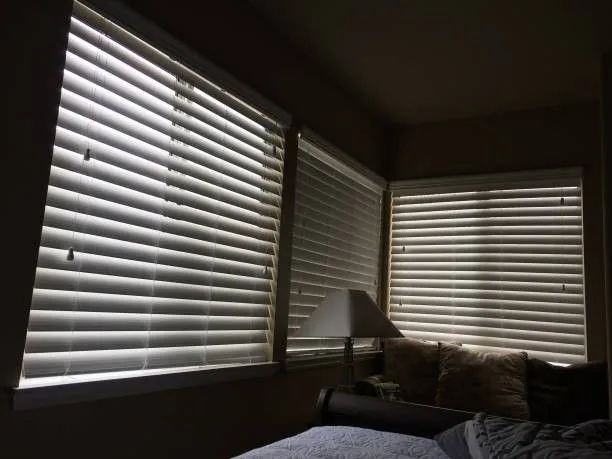
Custom treatments are made to exact measurements, which ensures minimal light gaps and cleaner sightlines when mounted inside frame recesses. Precise fit reduces side-lighting where blackout performance is required and prevents issues such as slat rubbing or fabric dragging at the sill.
Ready-made pieces are manufactured to standard sizes and rely on within-tolerance mounting; installers commonly use inside or outside mount techniques to compensate for sizing differences. For non-standard or irregular openings, ready-made treatments often require trimming or supplemental hardware, which reduces the “plug-and-play” advantage.
What are the long-term cost differences and durability expectations?
Long-term cost depends on material selection, usage frequency, and exposure conditions rather than orientation alone. Custom units allow selection of higher-grade fabrics or engineered components that resist UV degradation and mechanical wear, which can lower replacement frequency.
Ready-made options can be cost-effective when replacements are acceptable at shorter intervals. Durability also reflects maintenance requirements: easily replaceable, ready-made panels can lower repair costs, while bespoke components may require specialized service or matching materials for repairs.
How do design and customization capabilities differ?
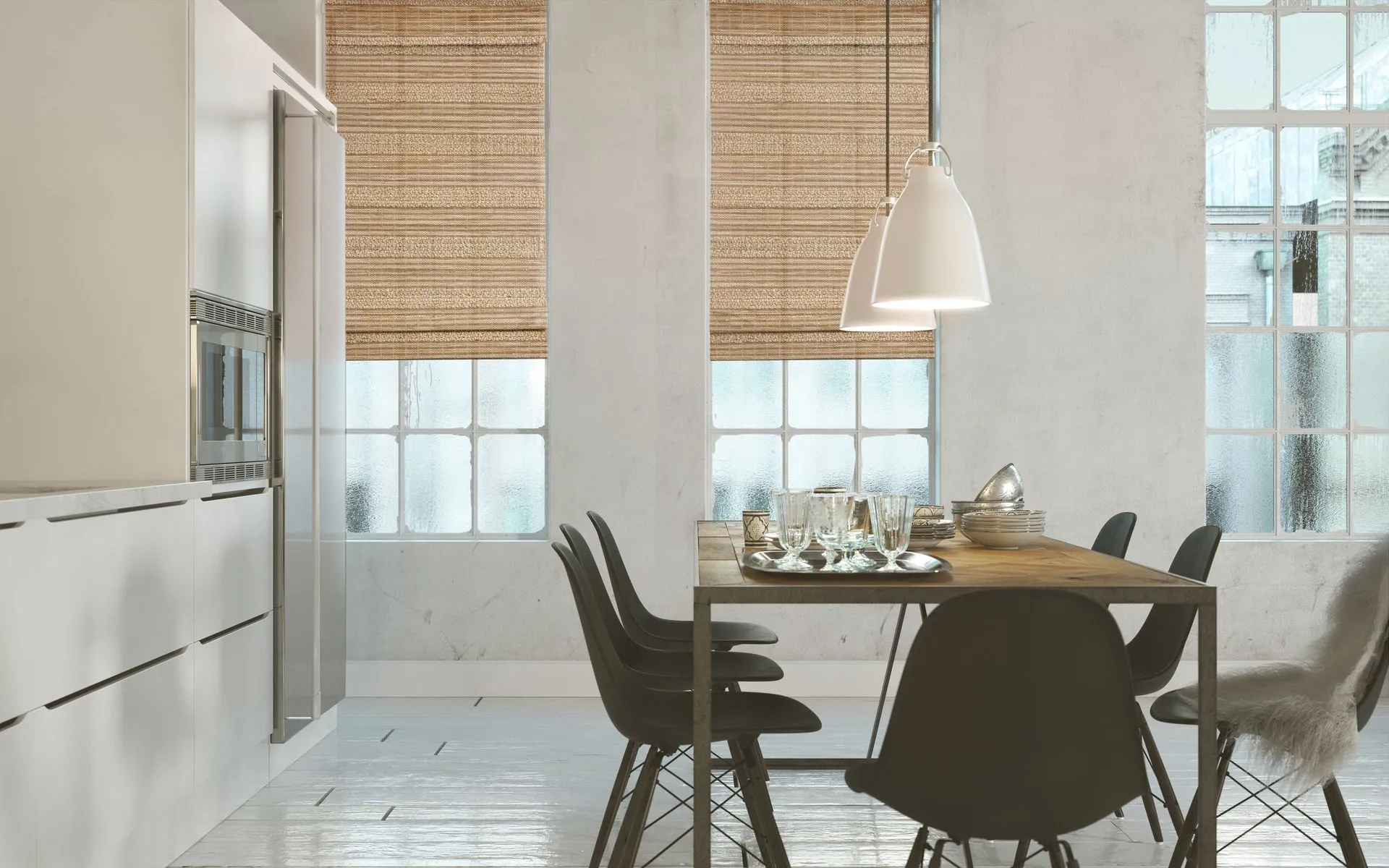
Custom treatments provide exact control over fabric, color matching, edge finishing, and special features such as motorization, integrated insulation, or coordinated top treatments. Those options permit consistent interior design outcomes when trim, paint, or upholstery require precise color continuity.
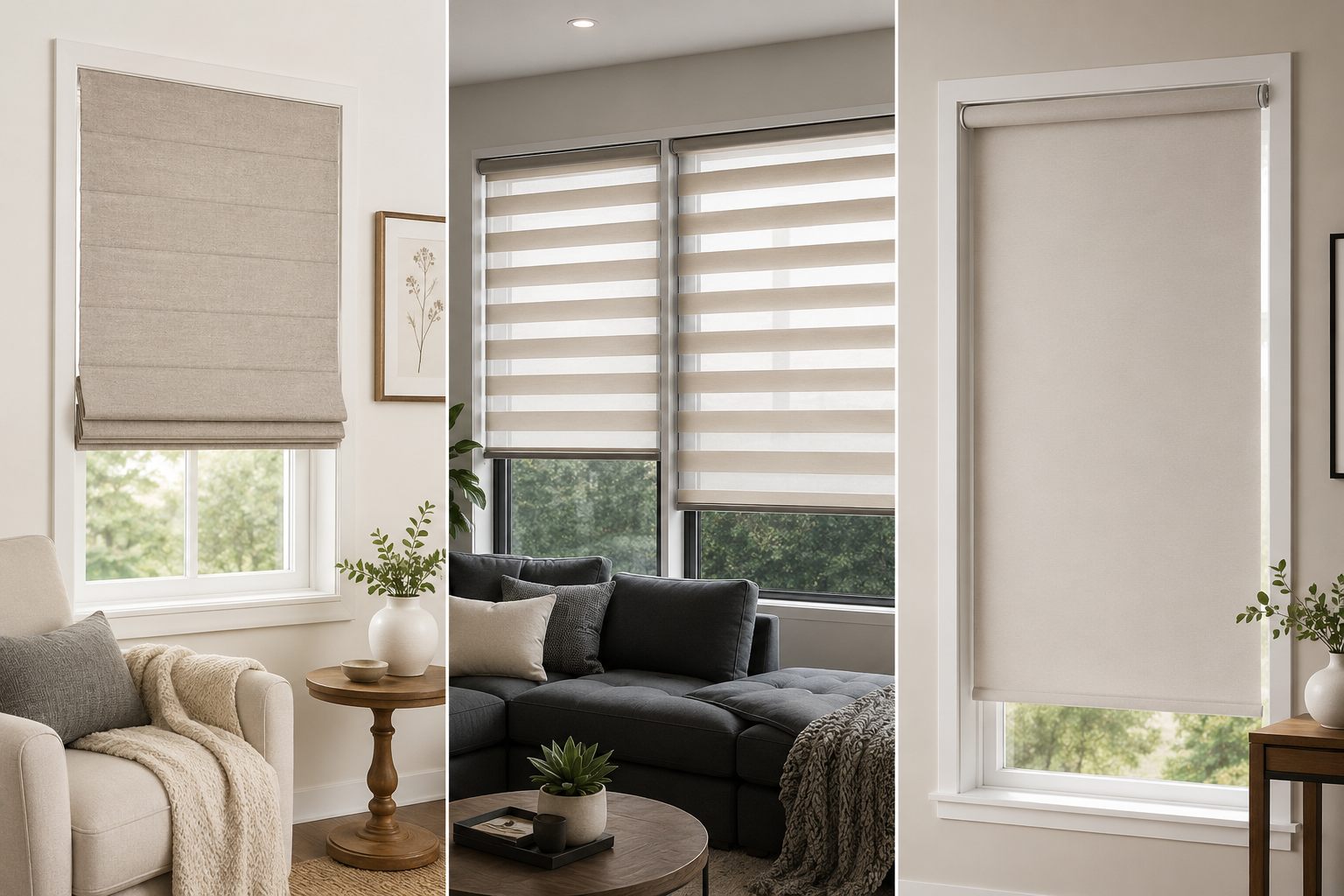
Ready-made ranges offer predefined palettes, standard headrail options, and common fabric weights but limit atypical combinations or bespoke details. For rooms where standard textures and patterns suffice, ready-made products can meet design goals while keeping selection and procurement simple.
How do lead time and installation complexity compare?
Custom fabrication introduces lead time for measurement confirmation, production, and delivery; timing varies with complexity and material availability. On-site measurement verification reduces fit errors but adds scheduling steps before installation.
Ready-made products are typically available for immediate purchase and same-day or next-day installation, reducing the project timeline. Installation complexity for standard sizes is lower, and many ready-made products can be fitted by general carpentry or DIY methods without specialized fabrication support.
What maintenance and repair differences should be expected?
Custom systems that use specialized fabrics or mechanisms may require manufacturer-recommended cleaning methods and, for motorized systems, service by qualified technicians. Long-term maintenance can be predictable if material specifications and care instructions are documented at purchase.
Ready-made treatments usually use standardized components that are widely available and easy to replace. Simple repairs, such as replacing a cord, a slat, or a fabric panel, are often possible without returning to the original vendor, which lowers maintenance friction for routine issues.
Which option is more suitable for different window types and rooms?
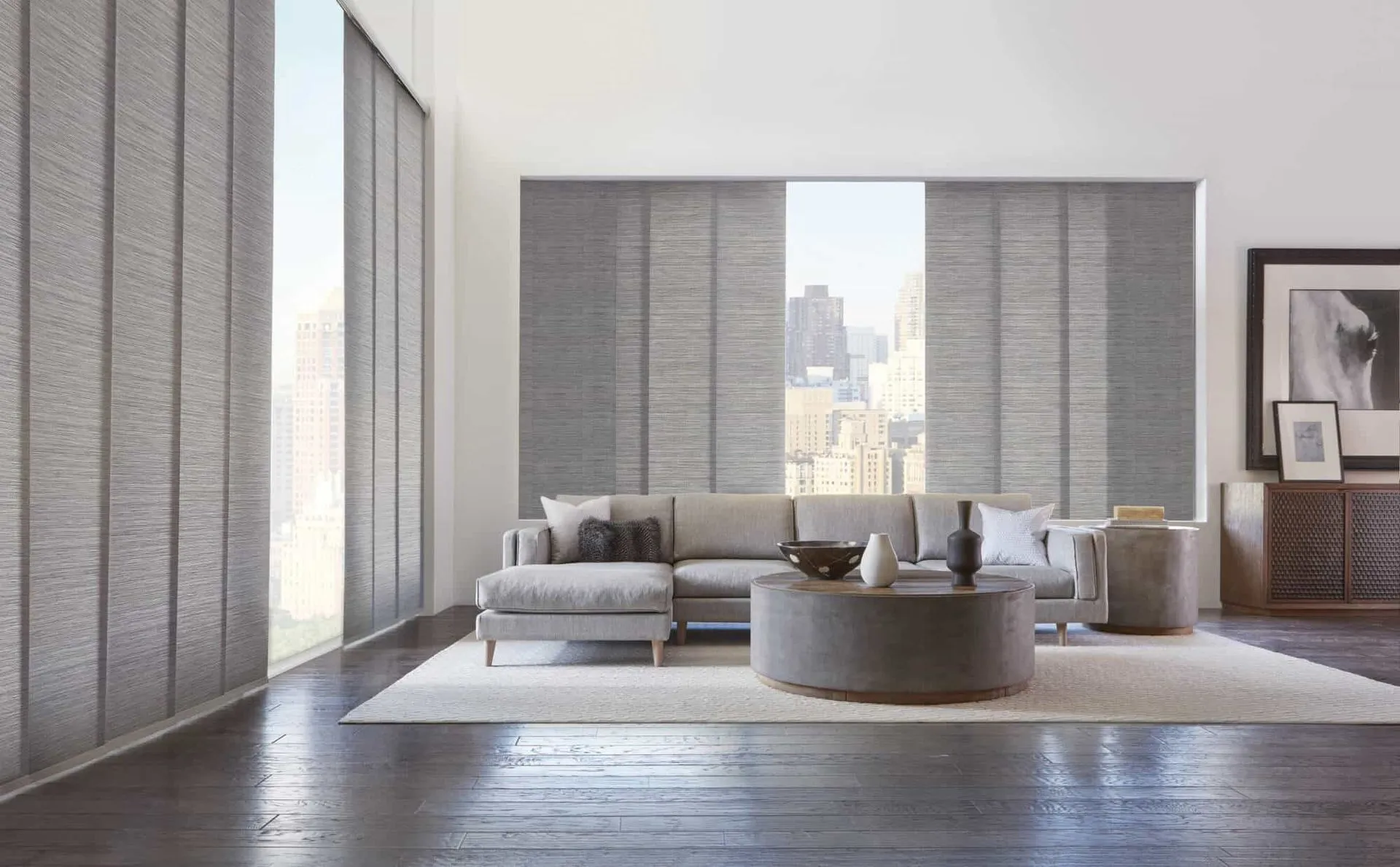
Custom treatments are preferable for irregular windows, large multi-panel glazing, or areas requiring thermal control and near-complete light exclusion. Tailored solutions fit arched, bay, or floor-to-ceiling openings where off-the-shelf dimensions do not meet performance expectations.
Ready-made items suit standard-sized windows, short-term projects, rental units, or rooms where immediate replacement and cost control outweigh a perfect fit. In geographic markets with pronounced sun exposure or specific trim profiles, some buyers look to local markets for tailored options; for example, custom window treatments in Wildomar may be selected when standard dimensions do not address local glazing formats or when UV-resistant specification is required.
Frequently Asked Questions
Are custom treatments always more cost-effective over time?
Not always; cost-effectiveness depends on lifespan differences, repair frequency, and whether the custom materials reduce replacement or energy costs sufficiently to offset the initial premium.
Do horizontal blinds achieve full blackout?
They block light more precisely than vertical vanes, but a complete blackout depends on slat overlap depth and side clearance.
Is professional measurement necessary for custom installation?
Professional measurement minimizes fit issues and is standard practice for custom fabrication; it reduces rework risk and ensures the finished product performs as specified.
Key Takeaway
- Custom options deliver precise fit and tailored performance but increase upfront cost and lead time.
- Ready-made products reduce initial expenditure and enable rapid installation, but may require compromise on fit or finish.
- Long-term value depends on material durability, exposure conditions, and how closely the selected treatment meets functional requirements.
A Final Thought
Evaluate window dimensions, performance requirements, and acceptable timelines before choosing between custom and ready-made treatments. Matching expected outcomes, fit, thermal performance, and maintenance against budget and schedule clarifies which approach produces the most reliable result.